Last Mile Logistics: A Comprehensive Guide

In logistics, the last mile is moving goods from the fulfillment center to the end consumer. That final stretch—getting a package from the fulfillment center to your customer’s front door—sounds simple, right?
In reality, it’s where costs pile up, delays happen, and frustration hits both brands and buyers. The data speaks for itself here: over half (53%) of all delivery costs are attributed to the last-mile.
Yet, with the right approach, last-mile logistics doesn’t have to be the headache it’s known for.
So what’s holding things up at the last mile of logistics and, most importantly, what can you do to save money while delivering on your brand’s promise?
Read About: Wayfindr Ecommerce Logistics Services
How the last mile problem affects you
Ecommerce, globalization, and the age of information have all lifted consumer expectations for delivery speed. More than half of online shoppers won’t make a purchase if they don’t know the date of its arrival.
While some areas of shipping have kept up with the pace, last-mile delivery still often falls to the wayside. Today, surveys show that last mile delivery makes up 41% of total supply chain costs.
A few factors that contribute to last-mile inefficiencies include:
- Poor communication (between management, courier companies, and customers)
- Lack of access to warehouse and fulfillment centers near customers
- Inability to react quickly to changes in a given delivery landscape
- Out-of-date or unresponsive tracking visibility systems
- Standardized routes that don’t take traffic or individual customer requests into account
- Re-deliveries due to customers not being able to sign for goods and companies not implementing missed package protocols

Speeding up last-mile delivery
The last mile is ripe for innovation—and for good reason. The global last-mile delivery market in 2025 is estimated at USD 170.6 Billion.
Some potential solutions lie in new technologies, while others depend on communicating effectively with customers.
On the technology side, improvements are being made through:
- Route optimization software: These can rely on a logistics platform with automation and AI innovations that can predict areas of congestion and develop up-to-date delivery plans
- Step-by-step order tracking and notification systems so customers are never left in the dark about their goods’ whereabouts, such as Aftership
At very least, customers like to be informed. Last mile technology works best when it comes alongside a responsive communication infrastructure. This can be done through automated systems that notify customers when parcels are out for delivery from fulfillment centers as well as by prioritizing customer queries. Keeping in touch through the shipping process goes a long way.
RELATED: Understand the definition of what is 4PL and 3PL logistics
Cutting last-mile costs
Let’s be real: last-mile fulfillment is kind of the money pit of logistics. It’s messy, inefficient, and with DTC shipping, you’re basically firing off small parcels in every direction just to get orders to their final stop. No surprise it racks up costs fast.
While you’ll never out-Amazon Amazon when it comes to razor-thin margins, there are a few opportunities to save money on last mile if you want to get a little crafty.
The trick is offering cost-competitive solutions to your clients… without sacrificing service level. Here are a couple of ideas:
Utilise regional carriers
One of the smartest plays we’ve found is mixing in regional carriers alongside the big guys.
By bulking up your carrier network and negotiating better rates, you create more flexibility and savings. Leveraging regional carriers in tandem with the major carriers helps reduce your costs and your client’s costs. Plus, when the major carriers inevitably roll out new surcharges or price hikes, you’ll already have backup options ready to go.
Localize operations
Reducing last-mile costs – without reducing customer satisfaction- often comes down to restructuring your fulfillment strategy.
Shipping everything from a single hub across the globe = sky-high costs and slower deliveries.
Instead, think bulk where you can. Position inventory closer to your key markets and set up regional fulfillment centers. Shipping in bulk is much cheaper per unit (plus, you can set things up to pay way less on tariffs in a totally compliant way).
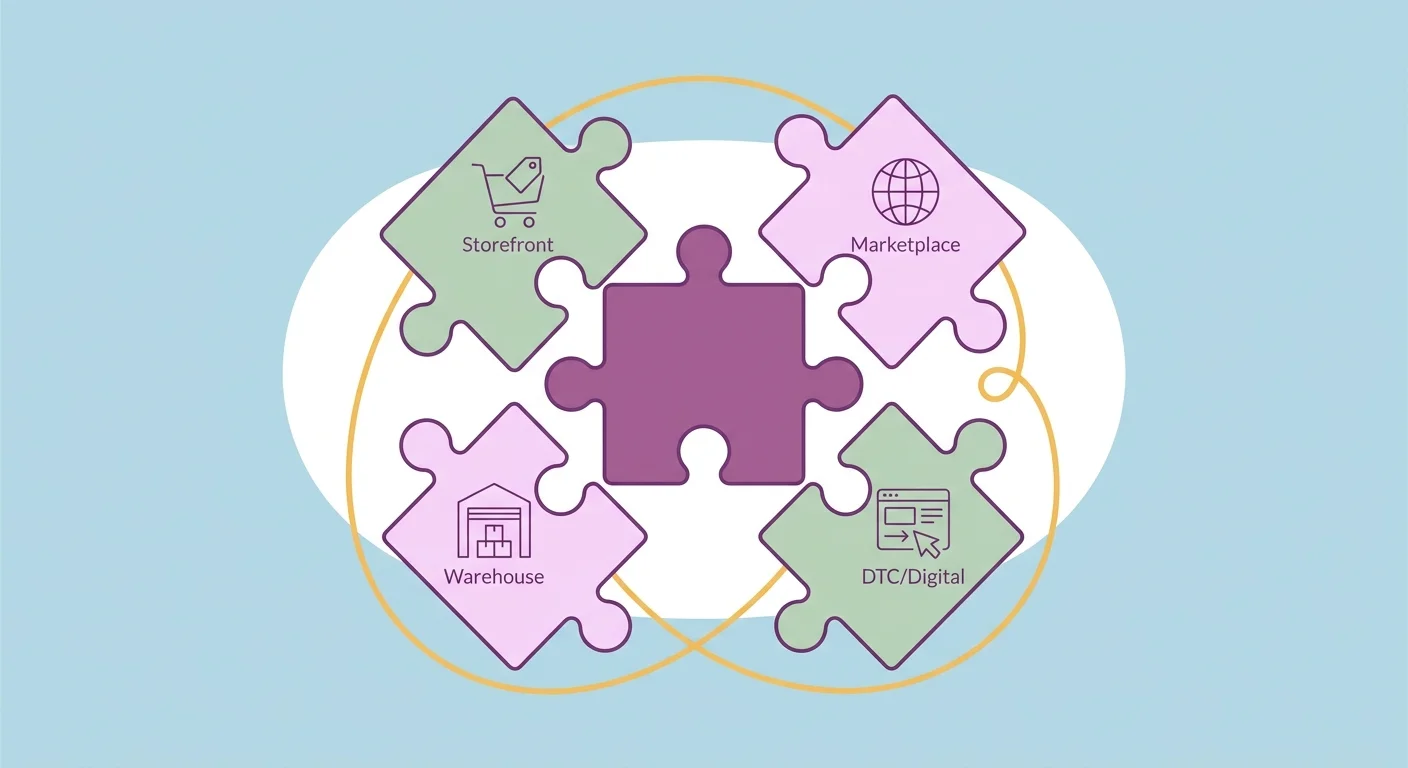
Setting up a few fulfillment centers nearer to your customers makes for faster, cheaper delivery…aka happier customers AND reduced shipping costs!
A smarter way to save on last-mile cost with Wayfindr
Choosing the right partner isn’t just about who can move boxes the fastest—it’s about who can actually deliver on your brand promise. Your customers don’t just want their order; they want the experience that comes with it. That’s why adaptability and transparency matter so much: it’s what makes the journey seamless from the very first click to the moment the package lands on their doorstep.
At Wayfindr, we go beyond “standard service.” We dive into your business, figure out what makes your operations tick (and what slows them down), and then build a logistics plan that fits just right.
Whether you’re scaling e-commerce, tackling global shipping headaches, or navigating cross-border compliance, we’ve got you covered. Our network of trusted partners doesn’t just know logistics—they know your logistics. Want to chat about having smoother deliveries, happier customers, and zero surprises in your fulfillment strategy? Reach out to us today for a free logistics assessment!