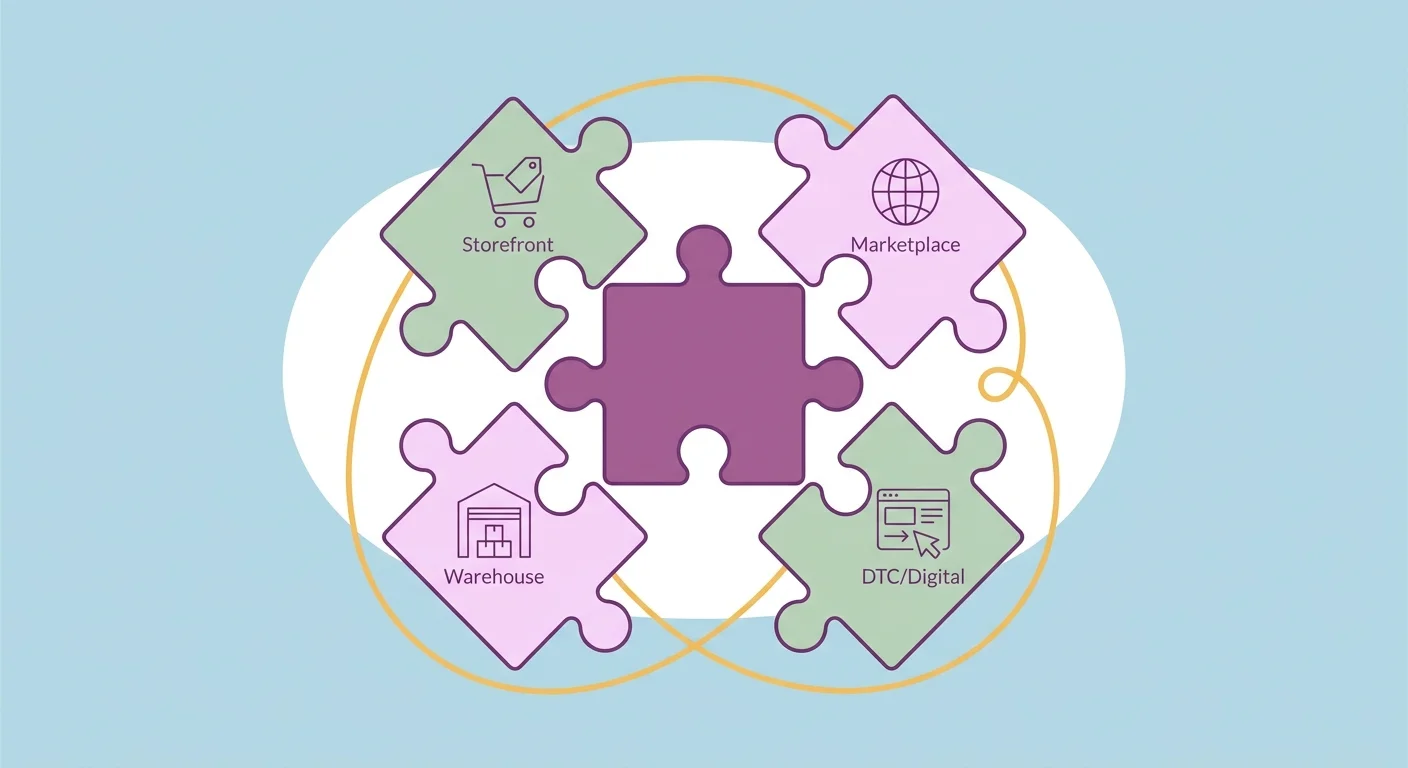
Why Warehouse Management is Important For Growing Your Business Today.

Today, more than 51% of retailers offer same-day delivery and 65% plan to offer it within two years.
And in a survey of 2,500 U.S. consumers, 72.7% said they are unlikely to do business with a site again after a poor delivery experience.
Customers today demand faster fulfillment and have less tolerance for errors or late shipments. One of the best ways businesses can satisfy these demands is through proper warehouse management.
According to an industry report, logistics tech business, Zebra, 87% of industry decision-makers surveyed plan to expand their warehousing operations by 2024. Warehouses are the heart of the supply chain. Similar to how taking care of your heart will improve your health – improving your warehouse management will make your supply chain stronger.
Explore more: Wayfindr’s Global E-commerce Logistics Services
We’re going to outline what warehouse management is, why it’s important, and how you can apply it to your company’s benefit today.
What is warehouse management?
Warehouse management is the oversight of operations in your warehouse. It’s the way you make sure materials circulate through to customers as quickly and cheaply as possible.
Here are a few examples of everyday warehouse management operations:
- Recording daily inbound and outbound shipments.
- Obtaining certifications and licensing.
- Product security.
- Building and maintaining relationships with shipping carriers.
- Managing inventory, equipment, and safety.
How warehouse management can help your supply chain

1. Packages are processed and shipped faster
When warehouses are organized for speedy shelving, unshelving, and packing it saves you time — and in logistics, time is money. For example, a basic tactic you might use is placing goods that you plan to hold in the warehouse for a longer time up on higher shelves. Goods you know will need to be packed and shipped out quickly might go on lower shelves.
2. Better integrations
Better organization in your warehouse makes your inventory easier to track and that makes your operation more desirable to clients. Most warehouses today use technology to track every product’s journey through the building. This lets them know exactly where inefficiencies are and how much space and time they can promise customers. To use one of these systems effectively, you need to be proactive about labeling and sorting all of your goods.
3. Strengthened relationships with suppliers and customers
If a customer is unable to purchase the stock they need, receives the wrong package, or just doesn’t get their package in time, there are high chances they might shift to another supplier. Optimizing your warehouse to ensure that you can deliver on customer demands will place your business ahead of the competition.
Read More: 10 Warehouse Terms Every E Commerce Business Owner Should Know
Why more businesses are using warehouse management systems
Warehouse management doesn’t operate in a silo. In fact, it’s a critical component of larger supply chain processes — from sourcing raw materials to last-mile delivery. A well-organized warehouse reduces lead time, minimizes waste, and improves coordination with suppliers and fulfillment partners.
By viewing your warehouse as a dynamic link within the broader supply chain, you can implement changes that ripple positively across your entire logistics network. The right WMS or 4PL partner can help ensure that your warehouse functions efficiently within the context of your end-to-end supply chain processes.
Following the pandemic, there has been a recent surge by e-commerce businesses to enhance warehouse processes. They’re doing it by bringing more technology into their operations.
Today, most businesses run their warehouses using the help of Warehouse Management Systems (WMS). These software applications track the journey of individual items as they flow through your warehouse from receipt to shipment. They are also paving the way for new technology in the warehouse like robots used for packing and moving goods.
As logistics companies look to become more efficient and profitable, we can observe a statistically significant trend: 77% of the organizations say they are serious about automated warehouse systems and mapping a plan to improve their current process. Businesses with a modern WMS can expect an annual ROI of 25–50%, with most recouping their investment within just 12 to 24 months. It’s no surprise then that 92% of supply chain leaders agree that optimized WMS systems will directly make their warehouse operations more profitable.
RELATED: Inbound & Outbound Logistics: Explanation & Important KPIs to Track

While optimizing your warehousing process is important your company, it takes a lot of time and money to implement technology in your warehouse That’s why e-commerce businesses today are turning to businesses like 4PLs (fourth-party logistics). These businesses help them bridge the gap by helping them integrate with technology across entire supply chains.
Related Reading: Amazon FBM and Amazon FBA – Which One Suits Your Business Best?
Streamline Your Warehouse. Strengthen Your Supply Chain.
Do you run a warehouse? By partnering with Wayfindr, we make your warehouse management simpler and save you time finding customers.
We’re a fourth-party logistics business. That means we work directly with brands to source different logistics businesses like shipping companies and warehouses — and we’re always looking for new warehouses to become our partners.
When you join our network, we’ll help you integrate with our proprietary warehouse management software. We’ll also share industry best practices for warehouse management we’ve learned from working with dozens of other warehouses around the world. The best part? We source customers so you don’t have to. That gives you more time to focus on running your warehouse instead of chasing your next paycheck.
Ready to grow your business and take your warehouse management to the next level. Get in touch with us!