Picture this: It’s Wednesday night. You’ve been buried in that never-ending project for work all day, and somehow it’s already dark out. You’re starving. Your fridge is empty. Your hair’s a mess.
Quick — what do you do?
If you’re like most people in 2025, you reach for your phone and order a meal from your local restaurant.
Whether you’re in New York, Mexico City, or Mumbai, there’s an app ready to bring restaurant-quality meals (or a bag of groceries) straight to your door: DoorDash, Meituan, Rappi, Just Eat Takeaway, Zomato — you name it.
Food delivery, also referred to as quick commerce, has become more than just a convenience. It’s now a lifeline for busy city dwellers and, increasingly, a big part of how we shop for food in general.
But here’s the thing: just because your food arrives in 20 minutes doesn’t mean the process behind it is simple. In fact, it’s a logistical masterpiece. And if you’re a food delivery company trying to crack into a new market, getting logistics right will make or break your success.
Food delivery after the pandemic boom
Quick commerce exploded during the pandemic. With restaurants closed and people stuck at home, food delivery apps went from “occasional treat” to “daily habit.”
Between 2019 and 2020, food delivery in the U.S. grew a staggering 96%.
Uber’s delivery revenue jumped 179% in a single year.
Over 70% of industry growth during that period was directly tied to pandemic demand.
Fast forward to today: People all over the globe have been back to dining out for the past few years, and demand for food delivery has of course fallen. We’ve seen the victims of this demand dive take the form of mergers and acquisitions, like Doordash’s purchase of Deliveroo this past May.
Yet, demand has not fallen back as many expected it to, showing that habits have shifted for good. Even as demand leveled off, revenue for companies like DoorDash continued to rise post-pandemic — up 35% in Q1 2022 alone.
But sustaining that growth in 2025, especially in new markets, requires more than just a slick app. It requires airtight operations — and that means logistics.
If you’re entering a new market, here are the pillars you can’t afford to overlook:
Killer integrated tech
The big players — UberEats, DoorDash, Zomato — didn’t dominate by accident. They built intuitive apps that make ordering painless: seamless payments, one-click reorders, and real-time delivery tracking.
App-based platforms transformed the landscape by offering intuitive interfaces, easy payment systems, and real-time delivery tracking.
Behind the scenes, it’s all about algorithms: smart systems that optimize routes, reduce delivery times, and cut costs. For companies scaling into new markets, integrating with restaurant POS systems and local payment platforms isn’t optional; it’s a matter of survival.
Know your market (& your customer)
Over the past several years, we’ve seen tremendous growth in the food delivery industry in places with:
High smartphone penetration & internet access
Busy lifestyles
A culture of eating out or ordering in
Latin America and Southeast Asia, for example, have seen huge growth as internet adoption skyrockets. But every market has quirks — regulatory hurdles, payment preferences, even meal timing. Partnering with a local logistics expert can help you navigate these faster.
OK, yes. As a logistics company, of course we had to bring it up. However, that’s because well-run logistics is crucial for great food delivery, and it can be extra tricky to get right.
Apart from the improvements in tech, improvements in logistics has greatly helped food delivery soar ever higher. Many food delivery companies have chosen to outsource logistics to 3rd party providers.
It’s not just about hiring a few drivers and sending them out on scooters. You need a system that covers:
Routing: How do you minimize delivery times in traffic-heavy areas?
Packaging: How do you keep hot meals hot, cold groceries cold, and delicate items intact?
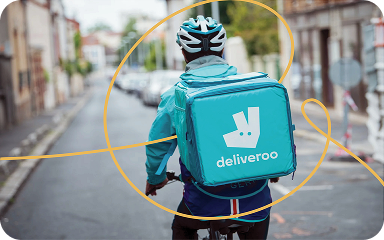
Supplies: Helmets, insulated bags, and bikes don’t manage themselves. Someone has to source, distribute, and maintain them.
Waste reduction: Spoiled groceries and missed deliveries eat into profits fast.
When you’re delivering food, great logistics doesn’t just support your business; it is your business.
Why 4PL is the secret ingredient your food delivery business is missing
In 2025, entering a new market for food delivery isn’t about reinventing the wheel. It’s about understanding what customers expect (speed, convenience, reliability) and building the logistics machine that makes it possible.
The best apps in the world can’t save a business if the food arrives cold, late, or missing half the order. But with the right logistics partner, you can scale fast, keep customers happy, and deliver the kind of experience that keeps people coming back night after night.
Here’s where Wayfindr comes in.
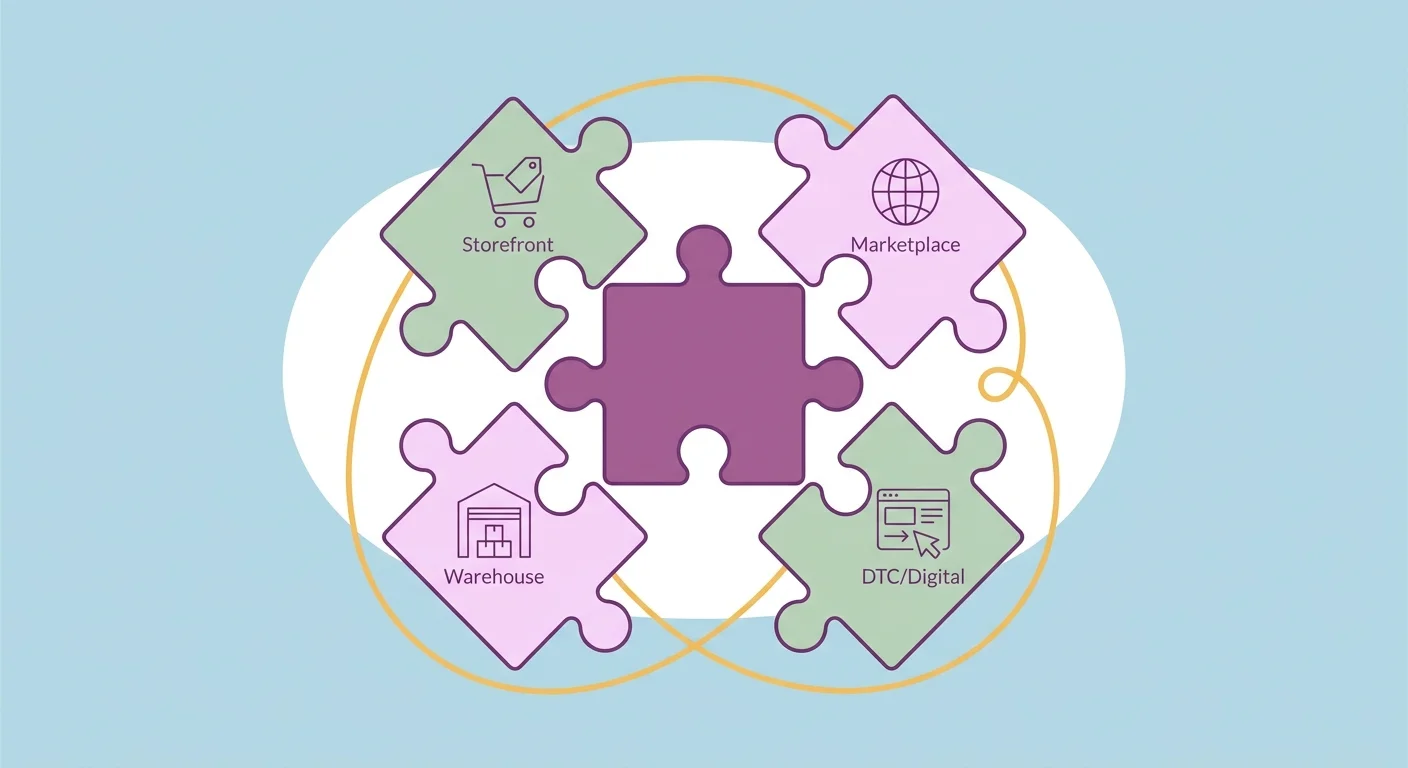
A 4PL (Fourth-Party Logistics) provider isn’t just another vendor. We don’t just handle shipments — we manage your entire logistics ecosystem. That means:
Think of us as the control tower for your food delivery operations. While you focus on your customers and brand, we make sure the back end runs flawlessly.
Nick co-founded Wayfindr to help brands design and build market-leading carbon-neutral D2C logistics. As Director, he brings 15+ years of experience across logistics, marketing, supply chain and retail from Asia Pacific to the world.
We’re here to make things simpler for you – we won’t spam your inbox or blow up your phone. When you enter your information:
(Within 24 hours) A member of the Wayfindr team will read your request and schedule a meeting by email. A more in-depth form will be attached to the email.
We will ask you about your needs and specific logistics requirements.
We will take your information and put together a plan designed for your business.