How to Manage B2B Fulfillment in Today’s Logistics Environment
B2B fulfillment runs on different rails from B2C. Goods move in bulk by pallet and freight rather than as parcels by courier, and big-box buyers enforce strict labeling and palletization rules. It costs more and takes longer overall, so managing it well comes down to a self-service ordering platform and a logistics partner, usually a 4PL, that can carry the complexity.
Key takeaways
- When your needs outgrow a standard 3PL — separate fulfillment centers, strict labeling, coding, and invoicing — a 4PL is the partner built to coordinate it.
- B2B ships in bulk by pallet on LTL (less-than-truckload) freight, while B2C ships individual parcels by courier.
- B2B fulfillment costs more and takes longer overall, because goods move in volume over long distances; per unit, though, B2C is often the costlier of the two.
- Big-box retailers set strict labeling and palletization rules, and a shipment that misses them won’t be processed at the warehouse.
- A self-service buying experience is now expected: B2B buyers research and order online instead of cutting deals over the phone.
Explore more: Wayfindr’s B2B Logistics Service for ecommerce & commercial needs
How B2B fulfillment needs differ from B2C needs — and why it matters
Besides just the volume of shipments, there are tons of differences between B2B and B2C selling — and that means fulfillment will look quite different.
Shipping Method
For B2C sales, companies need to use a courier like ups, FedEx, or the local postal system to get the parcel from point a to point b. As every e-commerce B2C company knows, prices for fulfillment add up fast.
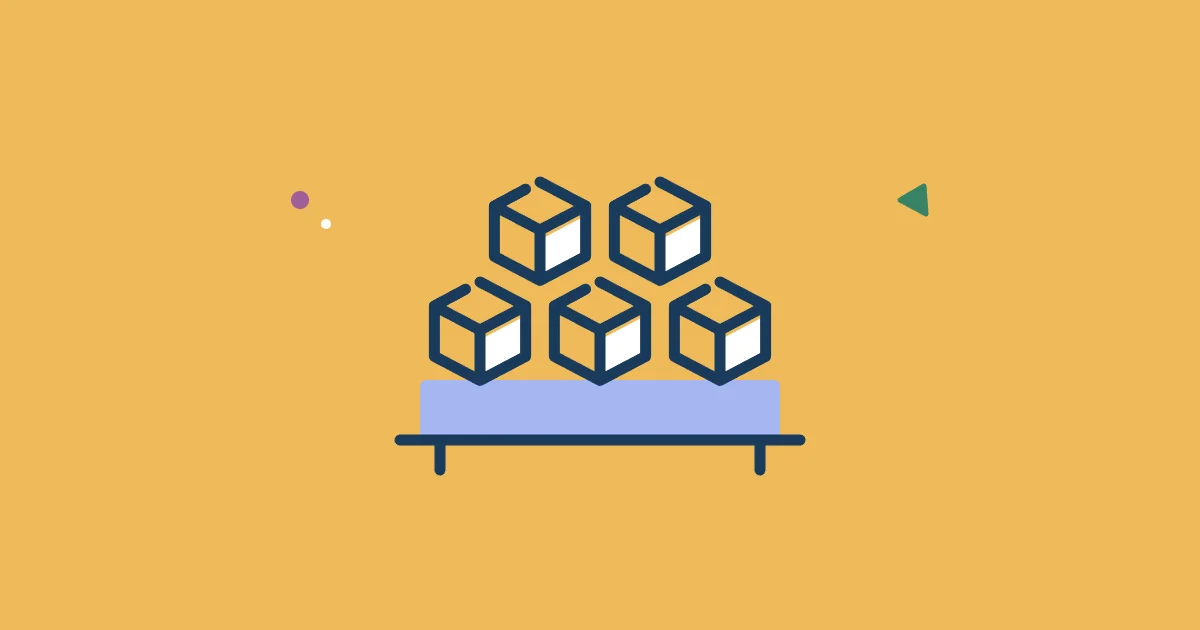
Instead of using a courier, B2B sellers tend to ship items in pallets by freight. Usually, freight companies use what is called the LTL (less than truckload) method. This refers to the way that the truck freight company quantifies your shipment. The trucking company charges you for shipping based on how much room your product takes up in one of their trucks, how heavy the product is, how far you need it shipped, and more.

Cost & Shipping Time
Overall, B2B order fulfillment costs more and takes longer. Since large quantities of goods typically need to be stored in a large, remote warehouse, B2B sellers need to transport large amounts over long distances.
B2C fulfillment deals with comparatively small items, so they can be shipped much faster. There is another variable, though: customers now often pay for expedited shipping, so the imperative on speed is even greater.
Altogether, if you are considering the cost of shipping per unit, B2C is typically more costly. Individual products have to be packaged and sent to countless unique addresses, making the fulfillment process rife with opportunities for errors.
RELATED: How to Maximize Your Refund with the US Duty Drawback Program
Requirements
One thing B2B sellers have to deal with that B2C does not is complex shipping requirements from big-box retailers. These retailers have detailed specifications about how the product is packaged, labeled, palletized, and shipped. If your products don’t meet these stipulations, they won’t be processed at the fulfillment warehouse
With B2C sales, the customer doesn’t have quite as much leverage to be picky. Your chosen courier drops the parcel at their front door, and the customer retrieves the package.
How can I ensure successful fulfillment for my B2B business?
While the recent movement online gives you the opportunity to attract customers and interact with buyers, there are also heightened customer expectations you need to be aware of. The demand for fast, seamless shipping encompasses individuals waiting on parcels and businesses waiting on bulk orders alike.
So what does it take to ensure your B2B fulfillment is up to the task? See our strategies for success below.
Implement a user-friendly e-commerce platform
One of the biggest things you can do to remain competitive is to make sure your website is user-friendly and attractive to new customers.
Gone are the days of cutting deals on the phone and meeting with suppliers. Buyers today demand a self-service model that provides helpful suggestions and simplifies their shopping experience; data shows that as many as 50% of customers consider personalization to be a key factor in improving B2B platforms.
We recommend focusing on building a platform that is:
- Easy to navigate
- Smartphone compatible
- Uses technology like AI and leverages customer data to provide a personalized e-shopping experience.
Prioritize relationships and transparency
Even though the days of over-the-phone deals are gone, it’s still important to establish a positive relationship with your buyers and suppliers.
In the e-commerce era, your reputation matters more than ever. Establishing yourself as a trustworthy, timely partner can differentiate your business, particularly in a market saturated with similar products from household names like Amazon and Alibaba. Cultivating strong relationships with customers pays dividends — especially when you understand the power of a few good (or bad) online reviews.
Choose the right partner
As a B2B company, your e-commerce fulfillment needs will likely outpace the capabilities of the average 3rd-party provider. Depending on the size of your orders, you might need separate fulfillment centers, and you may need to follow strict rules for labeling, coding, and invoicing per the requirements of your buyer — most 3PL providers cannot handle those elements.
It can be a challenge to find a logistics partner that can manage that level of business for you.
If you have the luxury of a large in-house team that takes care of all the details and manages your B2B supply chain, the process is far simpler. However, if you run a leaner operation and need help with logistics, consider teaming up with a fourth-party logistics provider — specialists in managing and streamlining B2B fulfillment.
Work with a 4PL who knows what it takes to get B2B fulfillment right
At Wayfindr, we understand how important fulfillment is to your business.
From upstarts to brands with global reach, we’ve worked with companies of all sizes to get every last detail of fulfillment right. We also help you adapt in real time and provide options that keep your supply chain resilient in the face of a constantly-shifting market.
With customer expectations rising, you can’t risk having a sub-par customer experience. Wayfindr can provide you with full service logistics that help you build a fully integrated system, linking your warehouse to each part of your supply chain with systems backed up by the latest in shipment tracking and warehouse management technology.
Talk to one of our experts today and find out how you can optimize your fulfillment.